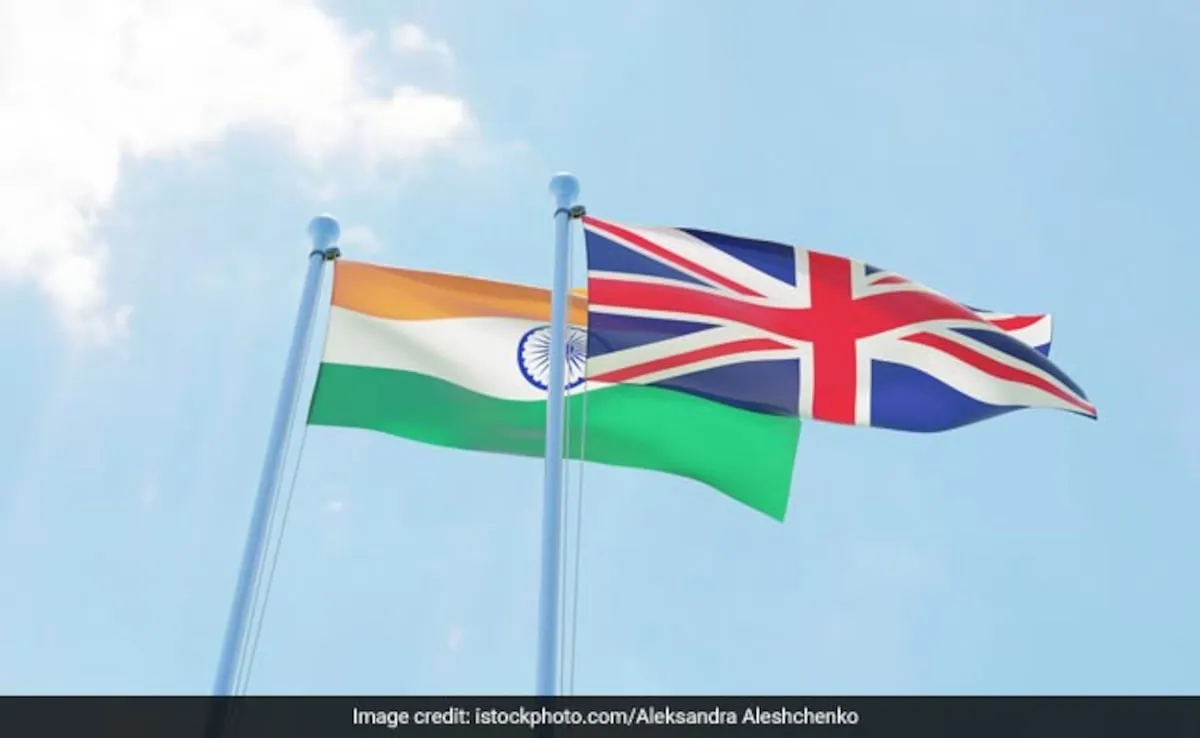
The India-UK Free Trade Agreement (FTA), scheduled to be finalized on Thursday, is poised to be a significant moment for women entrepreneurs and workers in India.
Empowering Women in Textiles and Crafts
The agreement aims to empower women across various sectors, including handlooms, heritage crafts, tech startups, and clean manufacturing. It will assist them in integrating into global value chains, accessing finance, and expanding their ventures.
Removing Tariff Barriers and Opening Trade
A key highlight of the FTA is the elimination of tariff barriers on 90% of tariff lines and opening up nearly 100% of trade value. This move is expected to greatly benefit Indian women producers, providing them with tariff-free access to the UK market for labor-intensive goods such as textiles, leather, and footwear.
Leveling the Playing Field
The removal of tariff barriers levels the playing field for Indian exporters, particularly women, who previously faced duty disadvantages against competitors like Bangladesh, Pakistan, and Cambodia.
Empowering Artisans
India’s vibrant textile ecosystem relies significantly on the contributions of women weavers, embroiderers, dyers, and designers from regions like Kanchipuram, Bhagalpur, Jaipur, and Varanasi. With enhanced access to global markets, these artisans are poised to excel in the fashion and design industry globally.
Boosting Handmade Goods
Products like Kolhapuri chappals, crafted by women and artisan groups in Maharashtra and other regions, will benefit from duty-free access to the UK market. This move will enhance brand recognition, preserve cultural identity, and support exports of sustainable, handmade leather goods.
Supporting MSMEs
Women-led MSMEs will also see benefits as the FTA simplifies compliance procedures, supports capacity-building, and facilitates trade finance. Clusters in Gujarat, Tamil Nadu, and West Bengal are expected to enhance their export readiness and gain easier access to the UK market.
Empowering Women for Global Trade
From Varanasi’s looms to Hyderabad’s digital labs, and from artisan clusters in Rajasthan to startups in Bengaluru, the FTA places Indian women at the forefront of an inclusive and connected economy. Beyond tariff reductions, this agreement aligns gender equity with national aspirations, enabling women to lead and innovate in the global trade landscape.
Source: Official FTA Announcement